Kinshasa is not just growing it is expanding faster than its systems can handle.
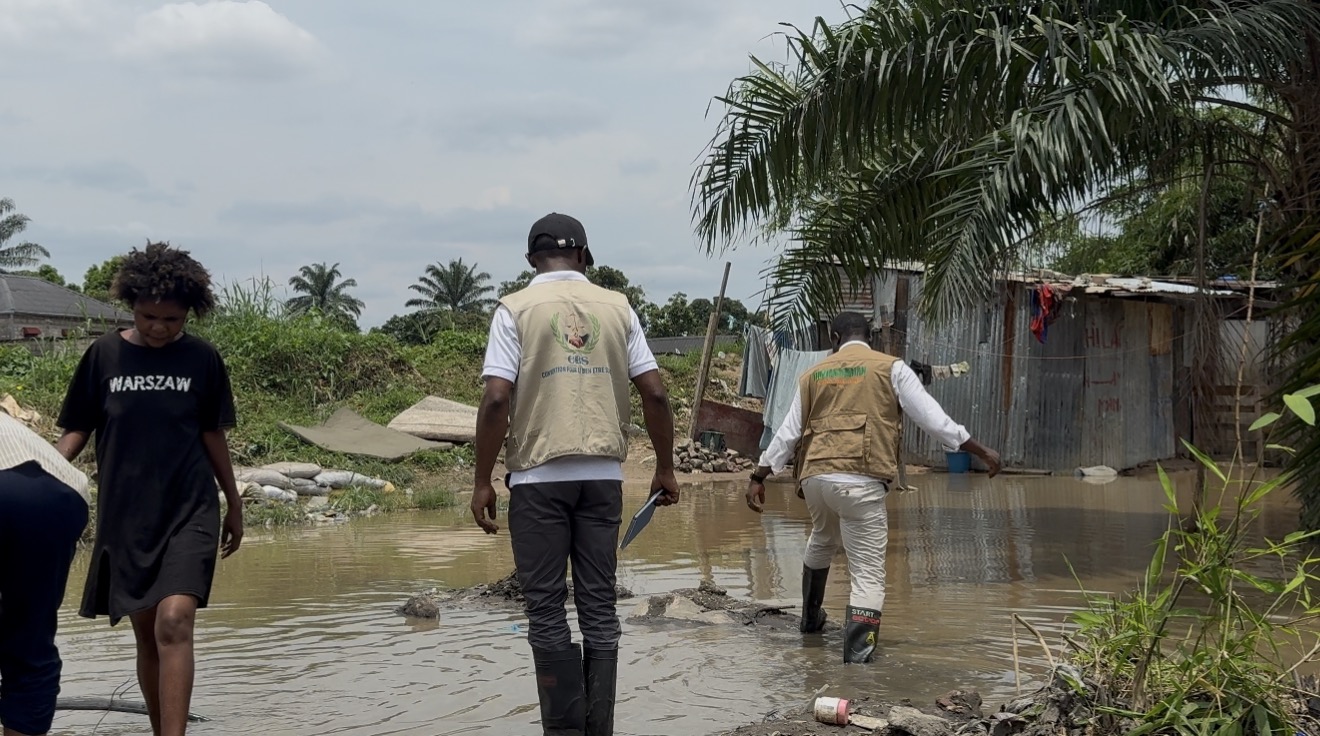
With more than 15 million residents, the city faces recurring floods every year. What should be seasonal rainfall has turned into a cycle of destruction: homes collapse, infrastructure fails, livelihoods are lost, and entire communities are pushed deeper into poverty.
But these floods are not simply natural disasters. They are the visible symptom of a deeper urban crisis.
Beyond Rainfall: The Real Drivers of Flooding
The root causes of flooding in Kinshasa are largely human-made.
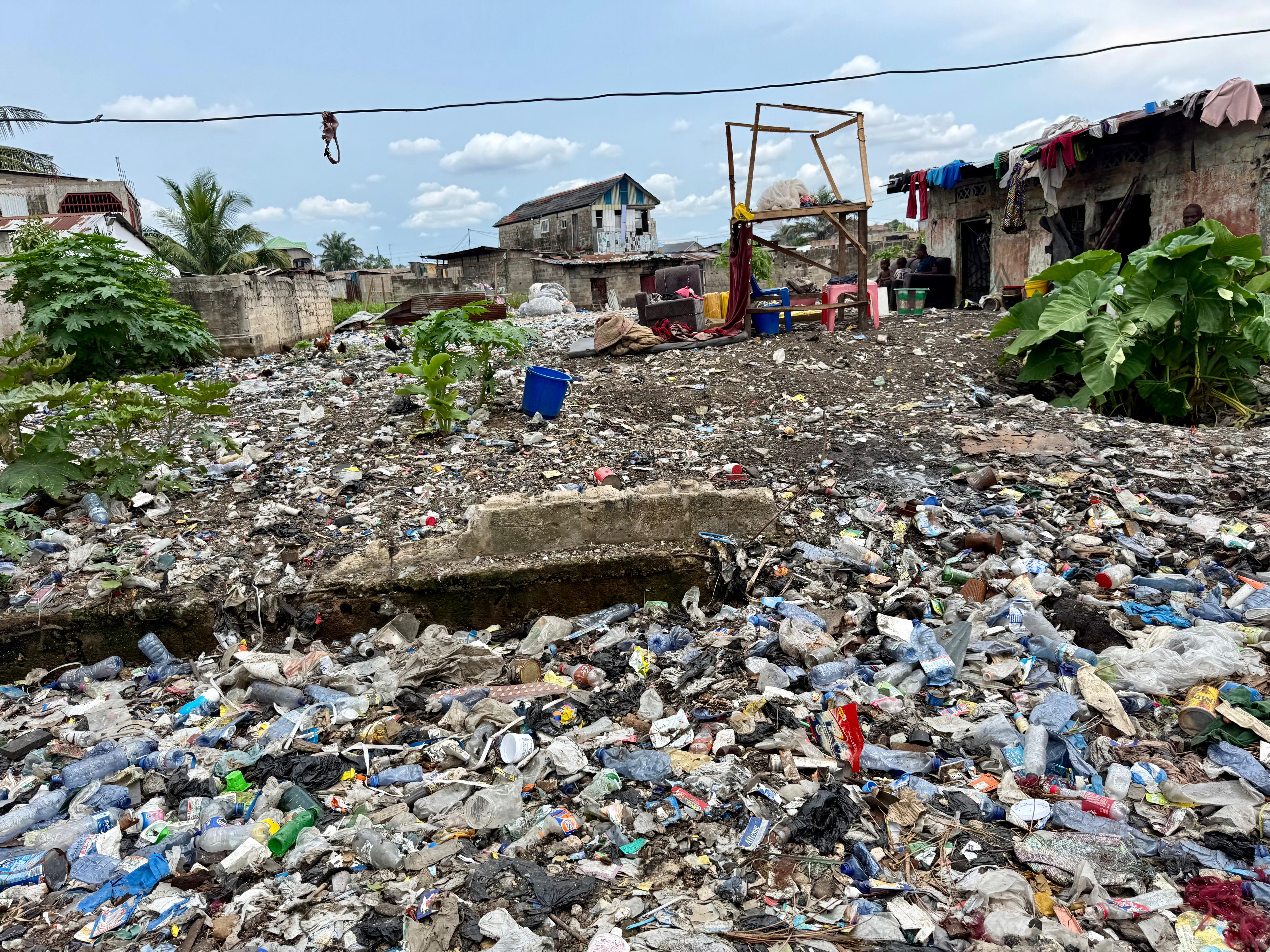
Poor waste management, blocked drainage channels, and uncontrolled construction in high-risk areas combine to create an environment where even moderate rainfall can trigger disaster. The absence of a modern drainage system further worsens the situation.
Responsibility is shared.
Public authorities face constraints limited resources, weak enforcement mechanisms, and the lack of a sustained sanitation policy. At the same time, everyday practices such as illegal dumping and low civic engagement contribute significantly to the problem.
Overlay these challenges with rapid urbanization, governance gaps, and increasingly intense rainfall linked to climate change, and the result is a fragile urban system under constant stress.
A Public Health Crisis in Plain Sight
Flooding in Kinshasa is not only an infrastructure issue it is a public health emergency.
Unsanitary conditions are directly linked to the spread of disease. A significant proportion of infectious illnesses in urban areas is associated with poor sanitation, while mosquito proliferation remains widespread in many households.
In this environment, outbreaks of cholera, typhoid, and other waterborne diseases are not anomalies they are predictable outcomes.
What Citizens Are Saying
To better understand priorities on the ground, Humanitarian Action for Africa (HAA) conducted a survey in September 2025 with nearly 2,000 respondents.
The results are telling:
- Waste management emerged as the top concern
- Drain maintenance followed closely
- Public awareness ranked as a key, but often underestimated, priority
This hierarchy reflects a practical mindset: people want immediate, visible solutions cleaner streets and functional drainage but they also recognize that lasting change requires a shift in behavior.
The Limits of Current Efforts
Efforts to address sanitation challenges are not absent. Drain cleaning operations are regularly carried out, and political calls for improved urban discipline have been made.
However, these actions often fall short due to operational gaps.
One recurring issue is the delay in removing waste after drainage cleaning. Debris left on the streets frequently ends up back in the drains, effectively canceling out the initial effort and reinforcing a cycle of inefficiency.
Coordination between stakeholders also remains limited, and awareness campaigns are not yet reaching the scale required to influence behavior across the city.
Toward an Integrated Urban Response
What Kinshasa needs is not more isolated interventions, but a coordinated system.
The report highlights the importance of combining four dimensions:
- Technical solutions, such as improved drainage and regular maintenance
- Organizational systems, particularly across the entire waste management chain
- Behavioral change, driven by large-scale awareness campaigns
- Structural reforms, including urban planning and environmental restoration
Without this integrated approach, short-term gains will continue to fade quickly.
Practical Pathways for Change
Several actionable solutions emerge from the analysis:
- Launch large-scale citizen mobilization campaigns rooted in communities
- Establish structured waste collection and disposal systems
- Introduce local monitoring tools, including hotlines and digital reporting channels
- Strengthen operational accountability at the commune level, with clear timelines for waste removal
- Create a dedicated provincial sanitation brigade
At the policy level, there is also a need for a long-term sanitation and drainage plan, supported by transparent governance and multi-stakeholder coordination.
A Critical Moment for the City’s Future
Flooding in Kinshasa is not just a seasonal inconvenience it is a structural barrier to development.
Each year, lives are lost and millions of dollars in economic value are erased.
If left unaddressed, the situation will only worsen as the city continues to grow.
From Awareness to Action
The path forward is clear, but it requires collective commitment.
- Authorities must prioritize sanitation as a central development issue
- International partners should invest in long-term, integrated urban resilience programs
- Citizens must play an active role in maintaining and protecting their environment
The time for fragmented responses has passed.
Conclusion
Kinshasa’s flooding crisis is not inevitable it is the result of systems that can be improved, behaviors that can be changed, and policies that can be strengthened.
What this report makes clear is that solutions already exist. What is needed now is alignment, scale, and sustained action.
A cleaner, safer, and more resilient Kinshasa is possible but only if all actors move in the same direction.
To explore the full analysis, detailed data, and comprehensive recommendations, we invite you to read the complete report here