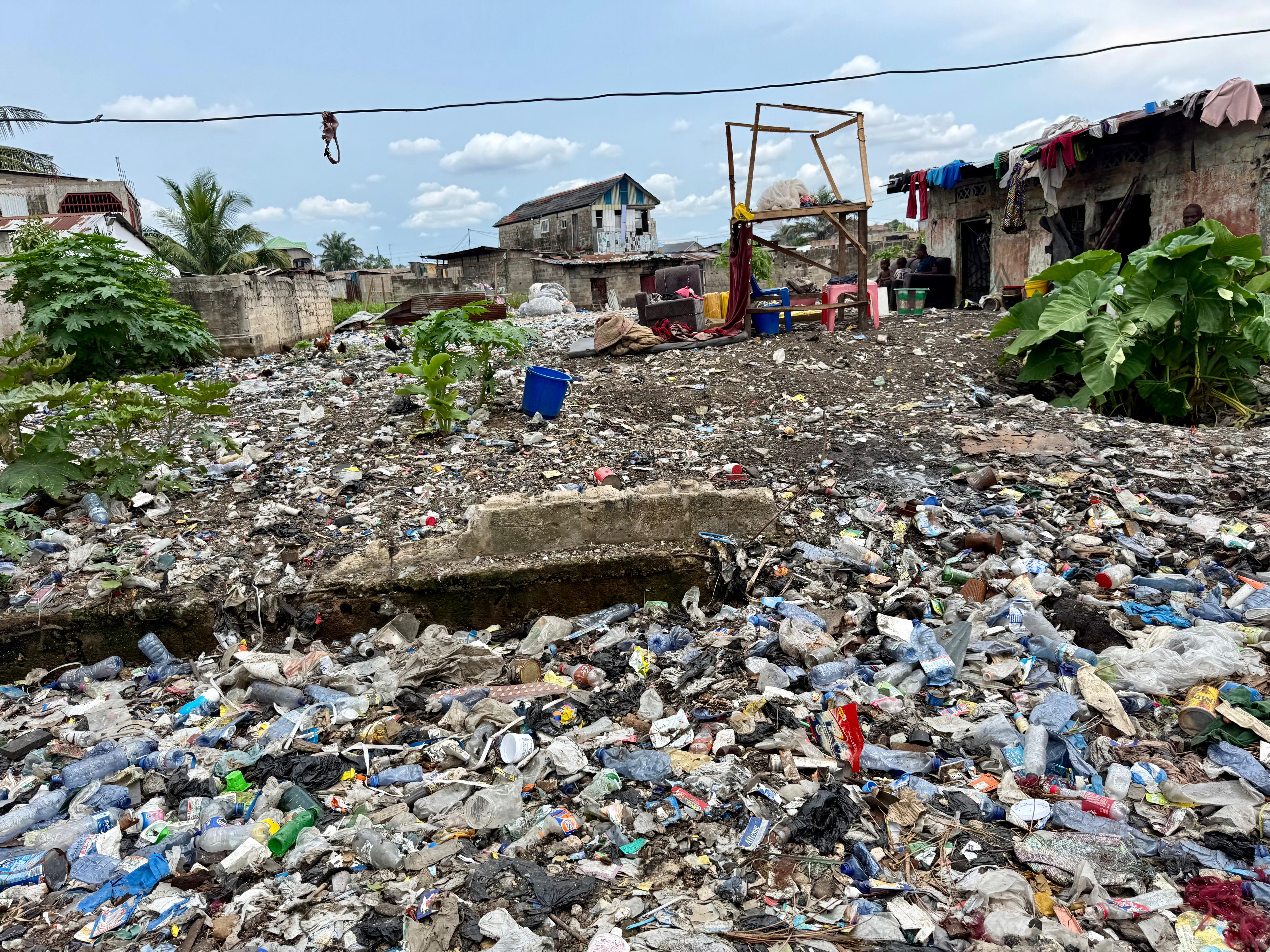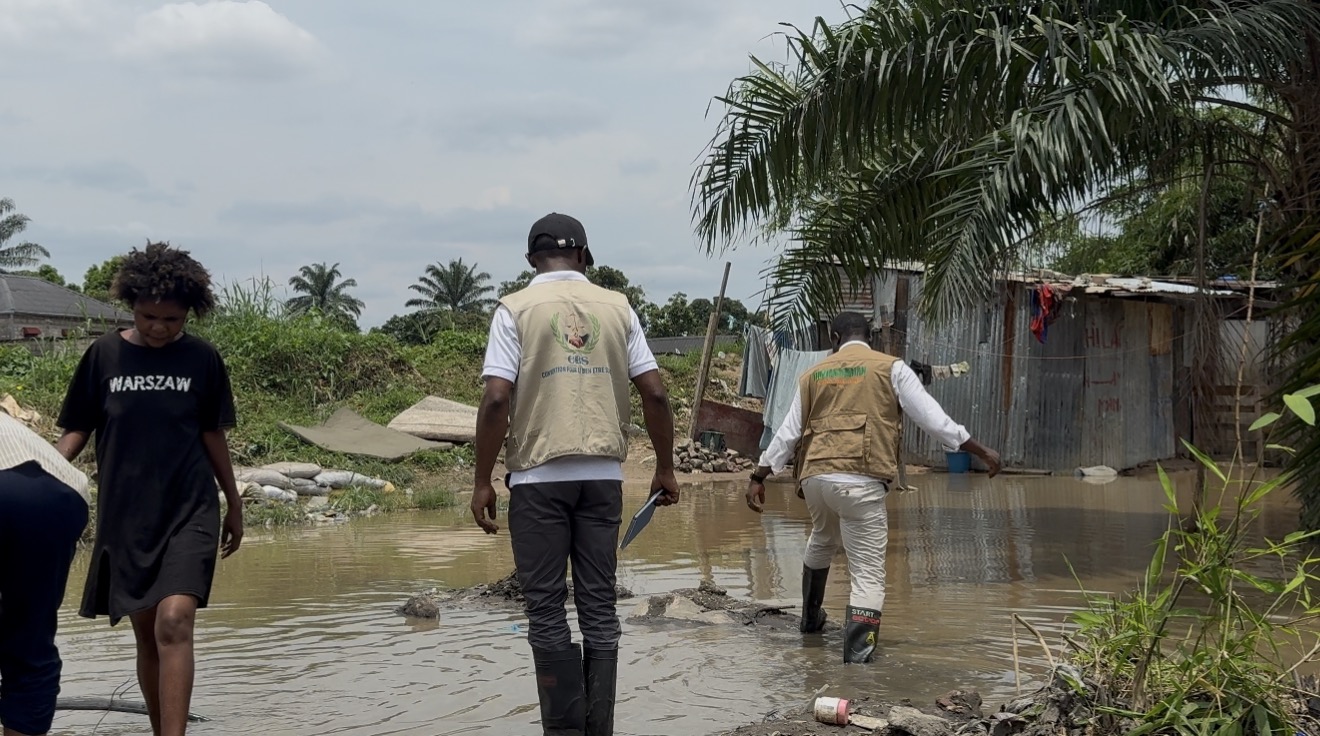
In early April 2026, heavy rains swept across Kinshasa, triggering severe flooding in several vulnerable areas of the city. Among the hardest hit was the commune of Limete, particularly the neighborhoods of Ndanu and Salongo.
Behind the rising waters lies a deeper crisis one that goes beyond infrastructure damage and reveals the growing fragility of urban communities facing climate shocks.
A Crisis Measured in Lives, Not Just Numbers
A rapid multisectoral assessment conducted by Humanitarian Action for Africa and its partners revealed that over 3,100 people across 445 households were directly affected.
Homes were submerged. Families were displaced. Livelihoods were disrupted overnight.
But the most alarming finding is not just the scale it is the depth of vulnerability.
When Survival Becomes a Daily Struggle
Food insecurity has reached critical levels. Nearly all households assessed are struggling to access sufficient and nutritious food. Many families have reduced their meals to just once a day often lacking diversity and nutritional value.
To cope, households are adopting extreme survival strategies:
- Eating cheaper, less preferred food
- Borrowing or buying food on credit
- Skipping meals entirely
- Prioritizing children’s consumption over adults
These are not temporary adjustments they are signs of a population pushed to its limits.
Water, Sanitation, and Health: A Dangerous Combination
Floodwaters have damaged water infrastructure, leaving the majority of affected households without access to safe drinking water. Today, over 75% of families consume unsafe water, significantly increasing the risk of waterborne diseases.
At the same time:
- Latrines have been flooded
- Hygiene conditions have deteriorated
- Health facilities have been partially destroyed or abandoned
While no major outbreak has been confirmed yet, the conditions are in place for a potential public health emergency.
Displacement and Protection Risks
With homes destroyed or uninhabitable, many families have taken refuge in overcrowded spaces schools, churches, or host households.
This situation has created serious protection concerns:
- Lack of privacy
- Increased exposure to gender-based violence
- Heightened vulnerability for women, children, and the elderly
Urban displacement, often less visible than rural crises, is proving just as dangerous.
Education Disrupted, Futures at Risk
Flooded schools and lost materials have forced many children out of the classroom. For families already struggling to survive, education is no longer a priority it is a luxury.
Without intervention, this disruption risks having long-term consequences on an entire generation.
A Call for Urgent and Coordinated Action
The findings point to one clear conclusion: this is a critical, multisectoral humanitarian crisis that requires immediate action.
Priority needs include:
- Emergency food assistance
- Safe drinking water and sanitation services
- Temporary shelter and essential household items
- Access to healthcare
- Protection services for vulnerable groups
At the same time, this crisis underscores a broader reality: climate-related disasters in urban areas like Kinshasa are no longer exceptional they are becoming the norm.
Beyond Emergency: Building Urban Resilience
Responding to immediate needs is essential but not enough.
There is a pressing need to invest in:
- Urban planning and drainage systems
- Community awareness and preparedness
- Long-term resilience strategies for vulnerable neighborhoods
Without these efforts, communities like Ndanu and Salongo will continue to face the same cycle of destruction and recovery.